
How to Avoid Counterfeit Electronic Components: Insider Knowledge from Shenzhen's Huaqiangbei
By the SZCHIPS team - Shenzhen-based component specialists with 10+ years in the industry
February 2026
We've been operating from the heart of Huaqiangbei for over a decade. Every day, our team walks through the same markets where counterfeits circulate, inspects components under microscopes, and builds relationships with legitimate suppliers. This guide shares what we've learned - the hard way - about protecting your supply chain.
The Reality Check: Why This Problem Won't Solve Itself
Working in Huaqiangbei, we see the counterfeit problem up close. We've watched colleagues and clients get burned by fake components. Here's what the latest industry data confirms:
ERAI logged 1,055 suspect counterfeit parts in 2024 - a 25% jump from 2023 and the highest total since 2015. The global counterfeit electronics trade now exceeds $100 billion annually in the electronics sector alone.
But here's what most articles won't tell you: the problem isn't just obsolete parts anymore. Active components - the ones sitting on authorized distributors' shelves - now account for 27.2% of counterfeit reports. Parts that are readily available through legitimate channels get counterfeited more than twice as often as components with long lead times.
This isn't a scare piece. It's a practical guide from a team that deals with this reality every single day.
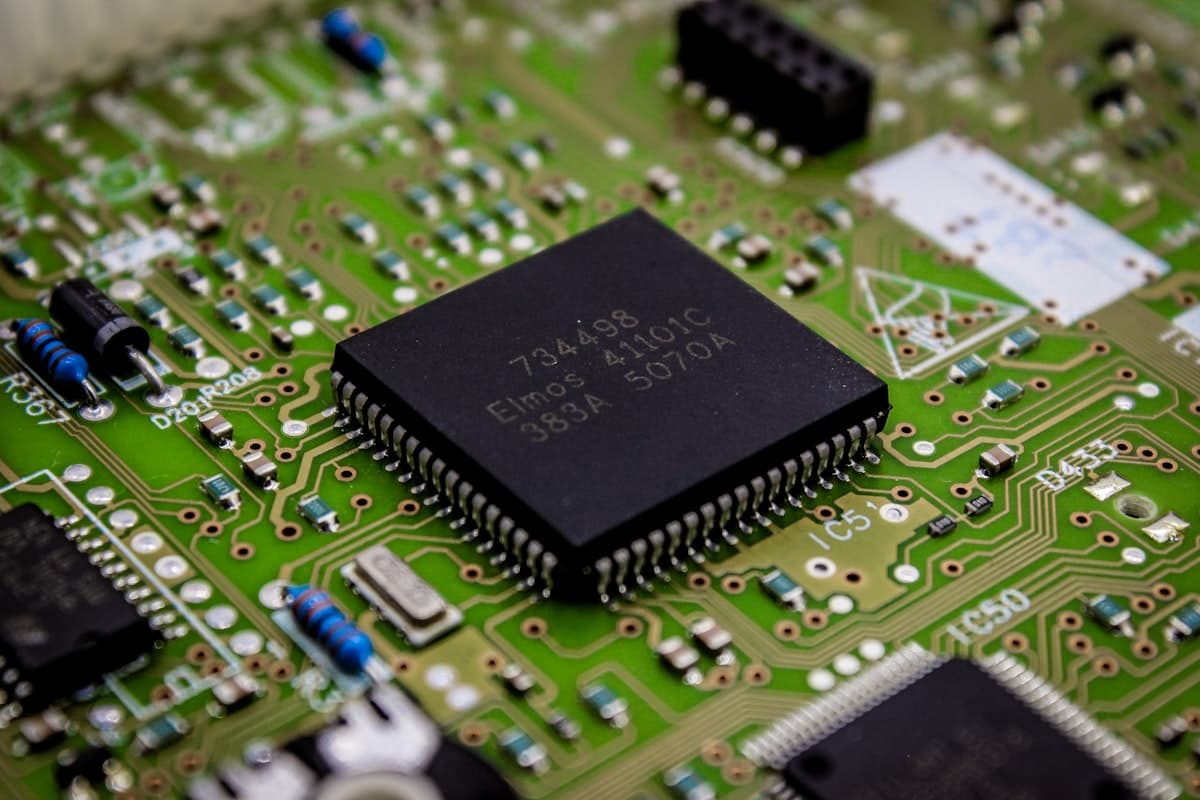
Understanding What You're Actually Fighting
Before you can protect yourself, you need to understand the enemy. After 10+ years in Shenzhen, we've seen every type of counterfeit imaginable.
Blacktopping and Remarking
The most common type we encounter. Counterfeiters take a cheap IC - often one with a narrower temperature range or lower specifications - laser off the original markings, apply a black coating to the package surface, and re-laser a premium part number. That industrial-grade chip suddenly becomes automotive-grade. That commercial-temp part transforms into military-spec.
Real Case: October 2025 Shenzhen police busted a syndicate just blocks from our office doing exactly this with Infineon, Texas Instruments, and Analog Devices chips. They collected discarded ICs, laser-polished them, and sold them as genuine imports through shell companies posing as European agents. Their targets? Automotive electronics and industrial control system manufacturers.
Refurbished Components - The Shenzhen Specialty
Walk through SEG Plaza or any of the 30+ electronics malls in Huaqiangbei, and you'll find stalls selling chips pulled from old equipment. The process is sophisticated: components get desoldered from scrap PCBs (often e-waste imported from developed countries), cleaned, re-tinned, and repackaged.
Insider Term: Sanxin (three new) The Chinese term "Sanxin" means "three new" or "made new" - it's the industry term for refurbished components. The problem isn't that these parts exist; refurbished components have legitimate uses. The problem is when they're sold as "New Original" to unsuspecting foreign buyers. A Chinese buyer understands what Sanxin means; many international buyers don't get the same transparency.
Dummies and Wrong-Die Substitution
Less common but devastating when encountered. The package looks right, the markings look right, but inside there's either no die at all or the wrong die entirely. Only X-ray or decapsulation reveals the truth.
Factory Rejects
Production facilities generate yield losses. Parts that fail quality control should be destroyed. Sometimes they aren't. These components look identical to genuine parts because they are genuine parts - just ones that didn't meet spec.
The Sourcing Hierarchy: From Safest to Riskiest
Understanding your supply chain's risk profile is fundamental to procurement strategy.
Tier 1: Lowest Risk - Authorized Distributors and Direct OEM
DigiKey, Mouser, Arrow, Avnet, and direct manufacturer channels offer complete traceability from fab to your receiving dock. You pay more, but you're buying certainty: full documentation chain, warranty protection, technical support, and lot traceability.
Tier 2: Medium Risk - Qualified Independent Distributors
When parts go EOL or allocation hits, authorized channels dry up. Look for AS6081 certification, IDEA-STD-1010 inspection capability, documented supply chain procedures, and willingness to provide full traceability documentation.
Tier 3: Highest Risk - The Open Market
Huaqiangbei, online B2B platforms, and broker markets. This is where expertise matters most and where most counterfeits enter supply chains. If you're sourcing here without local presence and verification capability, you're taking a significant risk.
How SZCHIPS Fits In
We operate as a Tier 2 supplier with Tier 3 market access - meaning we can source from the open market when needed, but we apply rigorous verification before anything ships. Our physical presence in Huaqiangbei means we can:
- Inspect inventory in person before purchase
- Maintain long-term relationships with verified suppliers
- Perform incoming inspection on every lot
- Provide traceability documentation with every order
- Offer quality guarantees with return provisions
Detection Methods That Actually Work
Theory is nice. Here's what actually catches fakes in the real world - methods we use every day in our QC process.
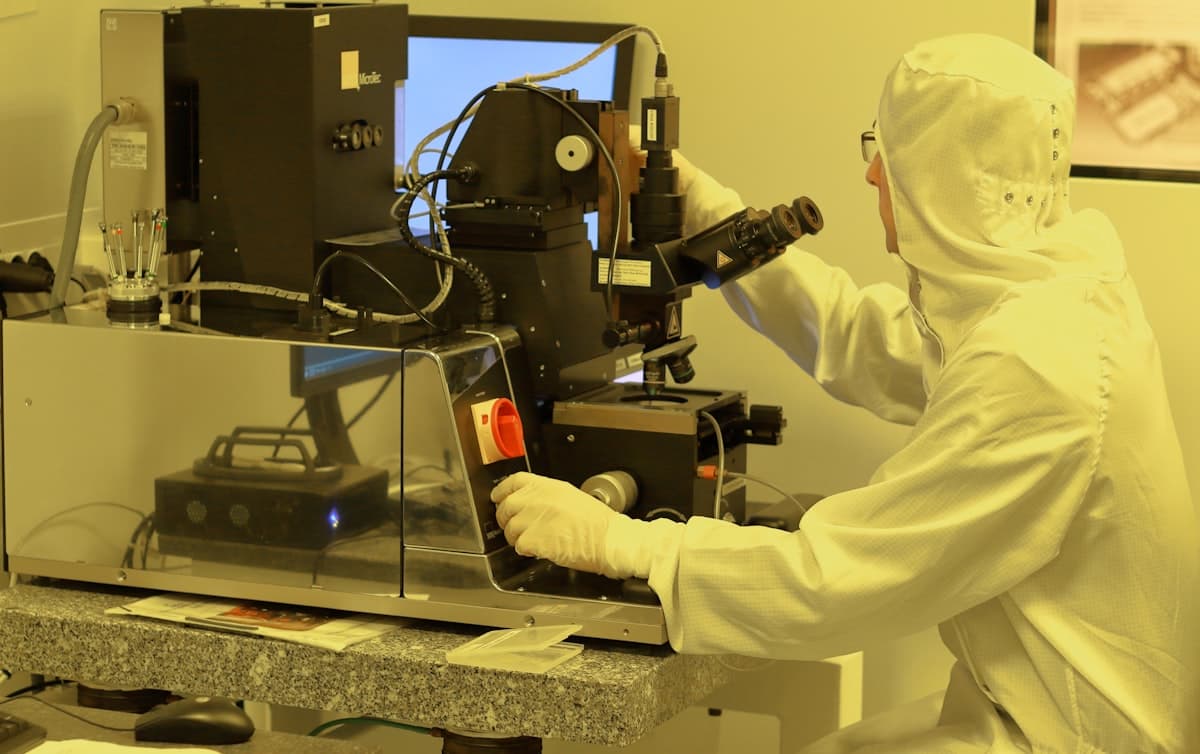
Level 1: Visual and Documentary Inspection
This catches more counterfeits than you'd expect - often the majority. We perform these checks on every incoming lot:
| Check Type | What to Verify | |------------|----------------| | Documentary | Date codes vs. manufacturer records, lot codes in OCM databases, label barcode formats, COC authenticity | | Packaging | Tape-and-reel dimensions, MSL bag seals, humidity indicator cards, label print quality | | Visual (Microscope) | Surface texture, marking quality/depth, lead condition, package dimensions, mold marks |
The Acetone Test
A classic that still works: apply acetone to the component surface with a cotton swab. Legitimate laser markings are etched into the package material and won't dissolve. Blacktopped components will show coating removal or marking dissolution. We use this on suspect parts daily - it's simple but effective.
Level 2: Laboratory Analysis
For high-value or high-reliability applications, visual inspection isn't enough.
- X-ray inspection: Reveals internal die size, wire bond configuration, die attach quality
- Electrical testing: Curve tracing, functional testing, extended temperature testing
- Decapsulation: Chemical package removal for direct die verification - destructive but definitive
SZCHIPS Pro Tip For critical orders, we can arrange third-party lab testing through local Shenzhen facilities before shipment. This adds time and cost, but for aerospace, medical, or automotive applications, it's worth it.
Navigating Shenzhen: What We've Learned in 10+ Years
Understanding the Huaqiangbei Ecosystem
The market operates in layers - and knowing which layer you're dealing with is critical:
- Factory agents: Official representatives of Chinese semiconductor brands. Legitimate and safe.
- Stockists: Companies holding surplus inventory from manufacturers. Medium risk - verification needed.
- Stall traders: The meter-by-meter stalls throughout the markets. Highest risk - they often don't hold inventory themselves.
The Virtual Stock Problem This is critical to understand: many suppliers listing inventory - including on international aggregators - don't actually have stock. They take your order, collect payment, then run to the market to source. If genuine parts aren't available at their expected price, some substitute counterfeits rather than lose the sale.
Our approach: We maintain actual inventory and verify availability before confirming orders. If we need to source from the market, we inspect before shipping - never after.
Terminology That Matters
| Term | Meaning | Risk Level | |------|---------|------------| | New Original | Genuine new parts in original packaging | What you want | | New Bulk | New parts without original packaging | Verify condition | | Sanxin/Refurbished | Recycled parts made to look new | Often mislabeled to foreigners |
Price rule: If a supplier offers significantly below market rate, they're probably selling Sanxin - whether they tell you or not. We refuse orders where the only viable source is clearly Sanxin being misrepresented as new.
Standards and Compliance Framework
| Standard | Purpose | |----------|---------| | SAE AS6081 | Counterfeit Avoidance Protocol for Distributors | | SAE AS6171 | Test Methods Standard - specific detection procedures | | SAE AS5553 | Full lifecycle approach for OEMs and CMs (revised 2022) | | IDEA-STD-1010 | Inspection criteria for independent distribution | | DFARS 252.246-7007 | Requirements for defense contractors |
Report suspect counterfeits to: ERAI (industry database), GIDEP (defense-related), and the original component manufacturer.
The Cost Calculation Most Buyers Get Wrong
We've seen procurement teams chase a 15% discount from an unverified supplier, then spend 20x that savings investigating field failures, managing recalls, and repairing customer relationships.
A counterfeit caught at incoming inspection costs low five figures. The same counterfeit discovered in deployed equipment can reach high five or six figures - sometimes more in regulated industries.
The fully loaded cost includes: direct part replacement, field failure investigation, production downtime, rework, customer remediation, regulatory compliance, and reputation damage.
This is why we invest in verification infrastructure. Microscopes, trained staff, supplier relationships, documentation systems - it all costs money, but it costs far less than the alternative.
Key Takeaways
-
Counterfeit risk is growing, not shrinking. Active, available parts now represent over a quarter of reported counterfeits.
-
Source from authorized channels whenever possible. The price premium is insurance.
-
When using independent sources, verify qualifications, demand documentation, and ensure they have real inspection capability.
-
Visual inspection catches most counterfeits. But it requires trained staff and proper equipment.
-
In China sourcing, local presence and long-term relationships matter more than platform promises.
-
Build systematic processes, not one-time checks. Counterfeit avoidance is a program, not a project.
-
Report suspect parts. The industry database only works when everyone contributes.
Need Components You Can Trust?
SZCHIPS combines 10+ years of Huaqiangbei experience with rigorous verification processes. We inspect before we ship - so you don't have to worry about what's in the package.
About SZCHIPS
We're an electronic components supplier based in Shenzhen's Huaqiangbei district - the global epicenter of electronics trade. For over 10 years, we've helped companies worldwide source genuine components, navigate China's complex market, and avoid the counterfeits that plague this industry.
Our approach is simple: we're here, on the ground, every day. We know the suppliers. We know the risks. And we verify everything before it ships.
Questions about this article or your sourcing needs? Contact our team ->
Last updated: February 2026
References: ERAI 2024 Annual Report, SAE International Standards, OECD/EUIPO Mapping Global Trade in Fakes 2025, and 10+ years of direct market experience.
Need Help Sourcing Components?
Our Shenzhen-based team is ready to help with EOL, hard-to-find, and specialty component needs. Quote in 2-4 hours, 1-year warranty.